
Find a Winery
Portugal rarely shows up first when people start dreaming about wine trips. France grabs attention. Italy too. Spain sits somewhere nearby in the conversation. Portugal… it sort of slips in later. Quietly. Then you arrive, drive through a valley full of terraces, taste a few glasses somewhere overlooking a river, and the whole perspective shifts. Quickly.
The country isn’t huge on the map. Yet the wine landscape feels strangely layered. Northern hills facing the Atlantic grow crisp whites. Inland valleys carve vineyards straight into rock. Drive south and the terrain opens into broad plains with olive trees and cork forests scattered across the horizon. Same country, completely different mood. Different grapes, different climate, different wines.
What catches many travelers off guard is how old the wine culture feels here. Not museum-old exactly. More like something that never stopped evolving. Some estates have been producing wine for centuries — family names tied to specific hillsides and parcels of land. Others look almost futuristic. Minimalist buildings, glass tasting rooms, gravity-fed cellars designed with architecture magazines in mind.
And the two worlds exist side by side without much tension. You might start a morning tasting aged Port inside a stone cellar built generations ago, then drive two hours and end up inside a sleek concrete winery that feels closer to a modern art gallery than a farm building. That contrast keeps things interesting.
This guide looks at some of the most compelling wineries across Portugal. Historic quintas in the Douro Valley, relaxed estates in Alentejo, garden wineries in Vinho Verde, modern projects near Lisbon. A few boutique producers. A few wine hotels where you can literally wake up surrounded by vineyards.
Wine travel here tends to unfold slowly. One tasting turns into lunch. Lunch turns into another stop somewhere down the road. Before long the day disappears into vineyards and long conversations about grapes you’ve probably never heard of.
- Understanding Portuguese Wine Estates
- Choose the Right Winery Experience
- Compare the Best Wineries in Portugal
- Best Wineries in Douro Valley
- Best Wineries in Alentejo
- Best Wineries in Dão
- Best Wineries in Vinho Verde
- Best Wineries Near Lisbon
- Hidden Gem Wineries in Portugal
- Wine Estates with Hotels
- Portugal Wine Routes
- How to Visit Wineries in Portugal
- Most Beautiful Wineries in Portugal
- Best Time to Visit Wineries in Portugal
- FAQ
- Conclusion
Understanding Portuguese Wine Estates
Before jumping straight into individual wineries, it helps to understand how wine estates in Portugal actually work. The structure feels different from places where wine production happens mostly inside large industrial facilities. In Portugal the winery is often just one piece of a much larger agricultural property.
Drive through the countryside and you’ll see it everywhere. Vineyards climbing hillsides. Olive groves sitting beside them. Cork oak forests stretching across dry slopes. Sometimes a manor house at the center of everything, usually centuries old, whitewashed walls and tiled roofs catching the sun.
Wine estates grow out of that landscape rather than sitting apart from it.
You’ll also notice a few recurring words on winery signs — quinta, herdade, adega. At first they all blur together. After a few visits the differences become clearer.
Quinta
The word appears everywhere in northern Portugal. A quinta is essentially a traditional rural estate built around vineyards. These properties often include an old house, terraces of vines, small cellars and farmland surrounding everything. Some have been producing wine for generations, long before wine tourism was even a concept.
Herdade
In Alentejo the language shifts slightly. Large agricultural estates are usually called herdades. The scale tends to be bigger here. Vineyards share space with cork oak forests, olive trees, sometimes even livestock grazing somewhere beyond the vines.
Adega
Adega simply means winery or cellar. The term often appears on modern facilities or cooperative wineries where grapes from many growers are processed together. These places can range from small village operations to large contemporary wine projects.
Understanding those terms helps when exploring wineries across the country. Visiting a Portuguese estate rarely feels like walking into a factory. Most of the time you’re stepping into a living landscape shaped by agriculture — vineyards woven into everyday rural life.
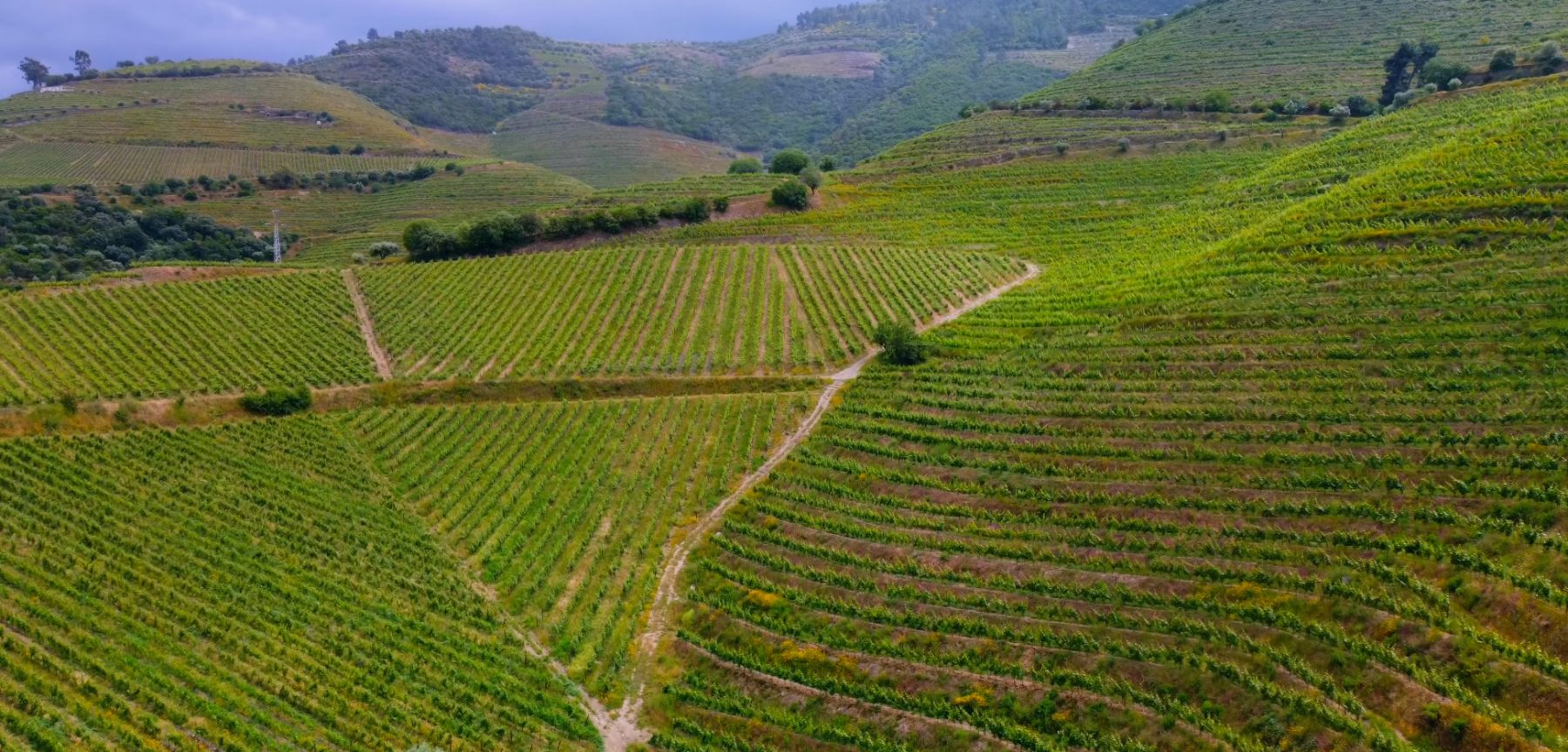
The connection between place and wine shows up strongly in regions like the Douro Valley. There the vines climb impossibly steep terraces above the river. Each slope faces a slightly different direction, catching sunlight in its own way. Small details matter.
Head south toward Alentejo and the atmosphere shifts again. The land opens wide. Vineyards sit among cork forests and dusty farmland. Wines taste warmer, fuller, sometimes darker in character. Climate changes everything.
Choose the Right Winery Experience
Portugal has hundreds of wineries open to visitors. Choosing where to go can get overwhelming fast. Some estates focus on dramatic scenery. Others take wine tasting very seriously. A handful operate boutique hotels where guests stay directly on the vineyard property.
So the experience you’re looking for matters.
Some travelers want the postcard moment — terraces dropping toward a river somewhere in the Douro Valley, camera out before the first glass even arrives. Others care more about the tasting itself. Small producers, experimental wines, conversations about grape varieties most people outside Portugal have never heard of.
Both styles exist here. Often within the same region.
For Scenic Vineyards
Certain estates in the Douro Valley sit high above the river with views that almost look exaggerated. Quinta do Crasto, Quinta Nova and Quinta das Carvalhas fall into this category. Vineyards stacked into terraces, sunlight bouncing off the water below.
For Serious Wine Tastings
Wine-focused travelers usually drift toward smaller producers. Places where tastings feel personal rather than scripted. Estates like Wine & Soul, Quinta do Noval or Quinta da Pellada spend more time talking about grapes, soil and winemaking decisions.
For Architecture and Design
Some Portuguese wineries lean hard into modern architecture. Concrete, glass, minimalist lines. Adega Mayor and Herdade do Rocim come to mind. The buildings themselves become part of the visit.
For Wine Hotels
A few estates turned their vineyards into boutique hotels. Guests wake up surrounded by vines, walk straight to the tasting room before lunch. Quinta da Pacheca and Quinta Nova Winery House are probably the best known examples.
Easy Day Trips from Lisbon
You don’t always need a long road trip to visit vineyards. Several wineries sit within easy reach of Lisbon. Quinta do Gradil, AdegaMãe and Casal de Santa Maria are popular stops if you only have a day.
Boutique Producers
Some of the most interesting wines come from small estates far from major tourist routes. Quinta do Ameal or Manzwine are good examples. Tastings here feel slower, quieter. Fewer visitors, more conversation.
Compare the Best Wineries in Portugal
Portuguese wineries vary wildly in atmosphere. Some are tiny family estates tucked into hillsides. Others operate almost like destination resorts with restaurants, architecture tours and vineyard hotels.
Looking at a few side by side makes planning easier.
| Winery | Region | Best For | Hotel | Views | Reservation |
|---|---|---|---|---|---|
| Quinta do Crasto | Douro Valley | Scenic vineyards | No | ★★★★★ | Recommended |
| Quinta da Pacheca | Douro Valley | Wine hotel experience | Yes | ★★★★ | Recommended |
| Herdade do Esporão | Alentejo | Wine estate & restaurant | No | ★★★ | Recommended |
| Aveleda | Vinho Verde | Historic gardens | No | ★★★ | Optional |
| AdegaMãe | Lisbon Region | Modern architecture | No | ★★★ | Recommended |
Best Wineries in Douro Valley
Few wine landscapes in Europe hit you the way the Douro Valley does. You drive out from Porto thinking it’ll be another pleasant vineyard region — hills, maybe a river, a few wineries along the road. Then the valley opens. Terraces everywhere. Stone walls stacked into the mountains like someone spent three centuries carving geometry into rock. The Douro River slides through the middle of it all, slow and heavy, reflecting those vineyards that seem to climb forever.
Late summer changes the whole color palette. Dusty gold, olive green, burnt earth. Harvest season turns the valley noisy — tractors rattling up narrow roads, crates of grapes moving downhill, workers shouting between terraces. It feels alive in a way polished wine regions sometimes don’t.
And the Douro isn’t just dramatic scenery. It carries serious history. Back in 1756 the region was officially demarcated to regulate Port wine production, which basically made it the first controlled wine region on the planet. Long before appellations became a normal concept across Europe.
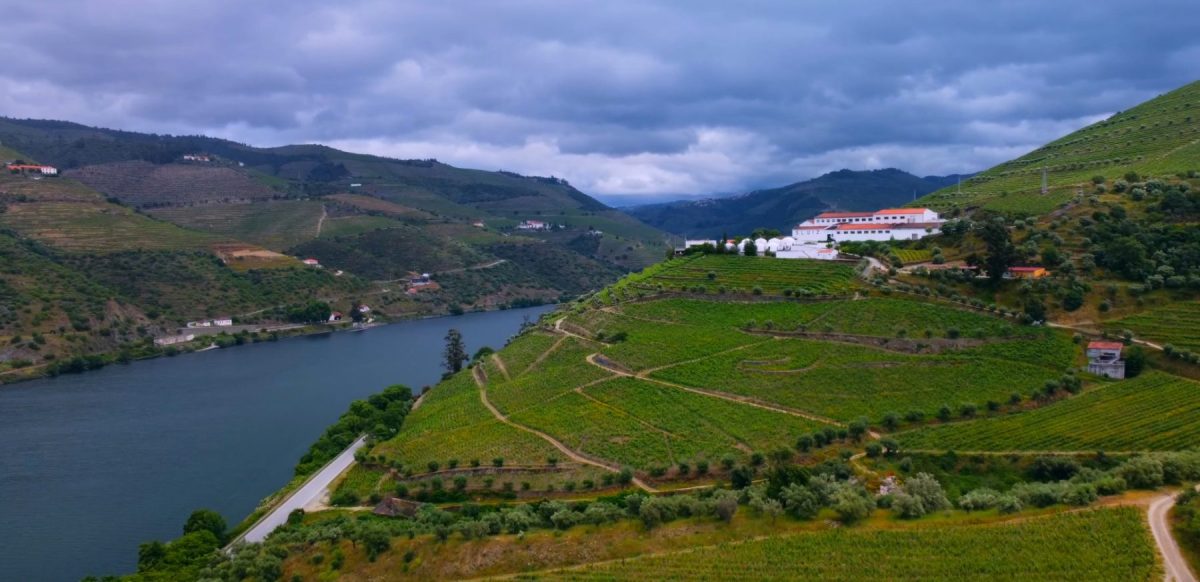
Today the valley still produces the fortified wines that built its reputation. Port remains central to the region’s identity. But something else has been happening quietly for decades — powerful dry reds, structured and intense, and increasingly interesting white wines from higher, cooler vineyard pockets. Plenty of travelers arrive expecting Port tastings and leave talking about Douro DOC wines instead.
The wineries themselves — quintas — are scattered along the slopes and side valleys. Some estates feel ancient, their vineyards planted generations ago. Others lean modern, glass tasting rooms facing terraces that look like staircases descending toward the river. A few are tiny family properties. Others… enormous.
The Alto Douro Wine Region is protected as a UNESCO World Heritage landscape. Those vineyard terraces weren’t built in a single era — they accumulated slowly over centuries as growers shaped the mountainside by hand.
Quinta do Crasto
Quinta do Crasto sits high above the Douro River and honestly… the view alone would justify the visit. The estate occupies a steep hillside where terraces drop toward the water in long curved lines. You stand on the terrace and the whole valley opens below — vineyards folding into the distance, the river cutting a blue ribbon through the middle.
This is one of the best-known wineries in the region and a place many travelers recognize before they even arrive. Photos circulate everywhere online thanks to the estate’s famous infinity pool, which hangs above the valley edge. Wine travelers love it. Instagram loves it even more.
But the wines are the real story. Quinta do Crasto produces powerful Douro reds built around traditional grapes — Touriga Nacional, Touriga Franca, Tinta Roriz. Structured wines, dense, sometimes almost muscular when young. The estate also produces Ports that reflect the valley’s long relationship with fortified wine.
Most visits include tastings on the terrace or inside the modern tasting room. Some guests add vineyard walks, others stay for lunch overlooking the river. Not a bad place to spend an afternoon.
Quinta do Vallado
Quinta do Vallado goes back to the early 18th century, which in Douro terms still feels ancient. The estate once belonged to the legendary Ferreira Port family — a name that carries serious weight in Portuguese wine history — before evolving into a modern winery producing both Ports and highly regarded Douro table wines.
What makes Vallado interesting isn’t just age. It’s contrast. Old vineyard parcels sit beside contemporary winery buildings with clean architectural lines. Glass, steel, stone. Somehow it works.
The estate also runs a boutique wine hotel surrounded by vineyards. Guests wake up looking straight at the terraces, sometimes with early morning fog drifting through the valley. Quiet, slightly surreal.
Tastings here tend to highlight old-vine parcels. These plots produce concentrated reds with real depth — darker fruit, mineral edges, structure that suggests the wines will age well. Vallado also sits near Peso da Régua, one of the easiest towns to reach when exploring the Douro, which means a lot of itineraries naturally pass through here anyway.
Quinta da Pacheca
Quinta da Pacheca might be the most playful winery experience in the Douro Valley. The estate itself is historic, vineyards planted across gentle slopes near Lamego, but the property became internationally famous for something unusual — giant wine barrel hotel rooms scattered among the vines.
Yes. Actual barrel-shaped suites. Oversized wooden structures where guests sleep inside what looks like a monumental wine cask sitting in the vineyard. Some people find it charming, others slightly ridiculous. Personally… it’s fun.
Beyond the novelty, Pacheca offers a full set of wine tourism experiences. Vineyard tours, Port tastings, food pairings, and during harvest season visitors sometimes get to participate in traditional grape stomping. Feet in a granite lagar, music playing, grapes everywhere. Sticky chaos.
Because the estate includes a restaurant and accommodations, many travelers linger longer than planned. Dinner overlooking the vineyards, a bottle of Douro red, sunset settling over the hills. One of those evenings where you forget what time it is.
Quinta do Noval
Among Port wine estates, Quinta do Noval holds a near mythic reputation. The winery produces some of the most celebrated vintage Ports ever made, and serious collectors know the name instantly.
Part of that reputation comes from the famous Nacional vineyard — a tiny parcel of ungrafted vines that survived the phylloxera disaster that tore through European vineyards. Wines from this plot are extremely rare and sometimes reach absurd prices at auction.
The estate lies above the village of Pinhão, one of the central hubs of the Douro wine region. Vineyards ripple across the hillsides in every direction, terraces folding like layers of fabric over the mountains.
Visitors typically taste a combination of Port wines and dry Douro wines. The tasting room overlooks the valley, and on clear days the view stretches across dozens of vineyard slopes. It feels timeless somehow. Like the valley hasn’t changed much.
Wine & Soul
Not every Douro winery is a centuries-old estate. Wine & Soul represents a newer generation of Portuguese winemakers pushing the region forward. The project was founded by Sandra Tavares da Silva and Jorge Serôdio Borges, two winemakers who decided to focus on old vineyards and small-scale production.
Their approach leans obsessive — careful vineyard work, minimal intervention, wines that express specific sites rather than broad regional styles. One of their most famous wines, Pintas, comes from an old vineyard planted as a field blend of traditional Douro varieties. Dozens of grape types growing together in a single plot, harvested and fermented together the old way.
The experience here feels more intimate than at larger estates. Smaller groups, more conversation, less formality. For wine nerds this kind of visit can be the highlight of a Douro trip.
Best Wineries in Alentejo
If the Douro Valley feels dramatic and vertical, Alentejo is the opposite. Wide horizons. Rolling farmland stretching for miles. Cork oak forests scattered across dusty plains that run all the way toward the Spanish border.
The climate here runs warmer and drier than northern Portugal. Summers can feel intense. Grapes ripen easily, producing wines that lean generous and fruit-forward — rich reds, smooth textures, sometimes a hint of spice from the heat of the landscape itself.
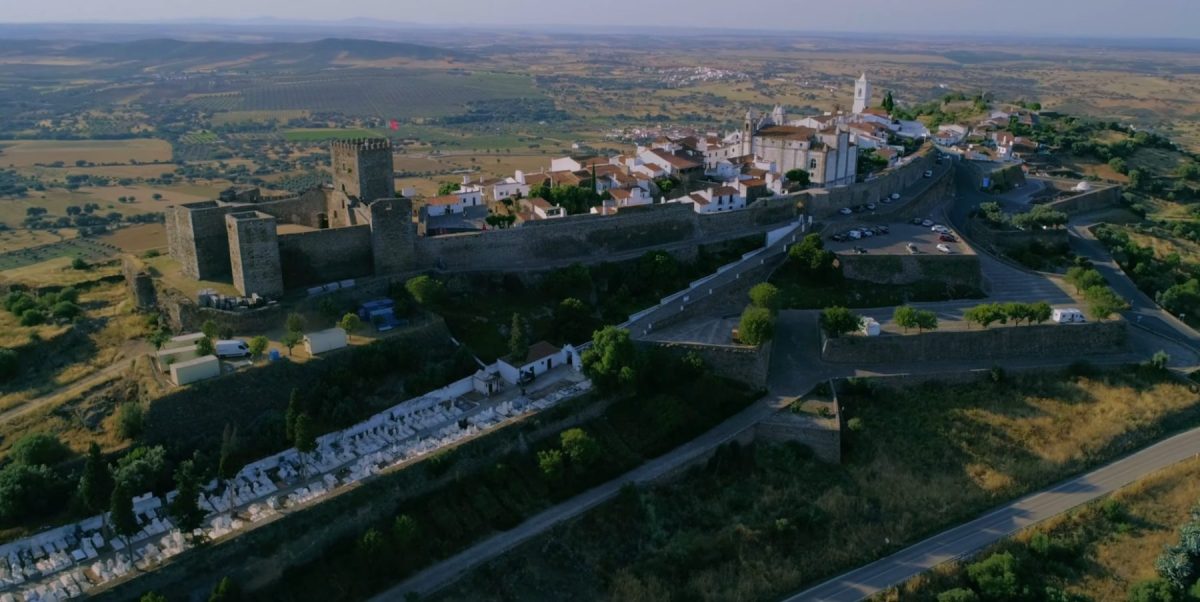
Wineries in Alentejo often sit on large estates called herdades. These properties mix vineyards with olive groves, farmland, and old manor houses that have watched over the countryside for generations. It feels agricultural in a broader sense, not just vineyards everywhere.
Over the last few decades the region also became a quiet center for wine tourism. Modern wineries, strong gastronomy, slow countryside travel. People come here to relax, eat well, drink deeply, and maybe forget about schedules for a few days.
Herdade do Esporão
Herdade do Esporão ranks among the most respected wine estates in Portugal. The property sits near the historic city of Évora and covers a huge agricultural landscape — vineyards, olive groves, farmland stitched together across gentle hills.
The winery built its reputation on both quality and sustainability. Organic farming practices have gradually expanded across the estate, and the team experiments constantly with vineyard management techniques suited to the hot Alentejo climate.
Visitors can walk through the vineyards with guides, explore the production cellars, then settle in for tastings that include both wines and olive oils produced on the property. The olive oil surprises people sometimes. Exceptionally good.
Esporão also runs a restaurant focused on regional Alentejo cuisine. Slow-cooked meats, local vegetables, traditional recipes — paired with estate wines that match the richness of the food. If you enjoy food and wine together, this stop can easily turn into a long afternoon.
Cartuxa Winery
Cartuxa carries a different kind of reputation. Prestige. Quiet confidence. The estate is operated by the Eugénio de Almeida Foundation and sits near Évora inside a historic complex connected to a former monastery.
The winery produces Pêra-Manca, one of the most famous wines in Portugal. Bottles appear rarely and tend to disappear quickly into private collections and restaurant cellars.
Production facilities here are modern, efficient, almost understated. Yet the surrounding buildings reflect centuries of regional history. Thick stone walls, old courtyards, monastery architecture lingering in the background.
Tastings usually focus on the estate’s premium reds made from traditional Portuguese grape varieties grown across nearby vineyards. Powerful wines, structured but polished.
Herdade do Rocim
Herdade do Rocim represents the more experimental side of Alentejo wine. The estate lies between Vidigueira and Cuba — two small towns surrounded by open countryside — and the winery immediately catches the eye with its contemporary architecture rising out of the plains.
The project gained attention for reviving an ancient winemaking tradition: fermenting wine in clay amphorae. The method dates back to Roman times and once formed part of local wine culture before gradually disappearing. Rocim brought it back.
Clay vessels buried partly in the ground, fermentations happening naturally inside porous amphorae that allow slow oxygen exchange. The wines develop a different texture and aromatic profile — earthy, slightly wild sometimes.
The tasting room overlooks the surrounding plains. Quiet landscape, long views, occasional cork oak trees breaking the horizon line. The pace out here feels slower. Nobody rushing anywhere.
Adega Mayor
Adega Mayor stands apart visually before you even taste the wine. The winery was designed by Portuguese architect Álvaro Siza Vieira, and the building looks almost sculptural — a long white minimalist structure rising above the Alentejo plains.
From a distance it resembles a modern fortress, stark against the earthy tones of the landscape. Inside, the design continues: clean lines, light-filled spaces, carefully framed views toward the vineyards outside.
Guided tours move through both the winery and the architectural story behind it. Visitors see fermentation rooms, barrel cellars, then eventually arrive in the tasting area where the estate’s wines are poured.
The wines themselves reflect the regional style — ripe fruit, balanced structure, approachable even when young. For travelers curious about contemporary winery design, Adega Mayor becomes one of the more memorable stops in Alentejo.
Best Wineries in Dão
The Dão region rarely gets the spotlight foreigners usually give to places like the Douro Valley or Alentejo. Which is funny, honestly. Ask a few Portuguese sommeliers where the most elegant wines in the country come from and Dão pops up again and again. Quietly. Almost stubbornly.
Geographically it sits in central Portugal, tucked between several mountain ranges. That geography matters more than people expect. The mountains trap cooler air, and vineyards sit on granite soils that drain fast and warm slowly.
Grapes ripen at their own pace here — not rushed, not baked by heat. Acidity holds on. Aromas develop gradually. The wines end up feeling… composed, maybe that’s the word. Structured without shouting about it.
Touriga Nacional thrives in these conditions. In Dão it shows a different personality than in warmer regions — less muscle, more perfume. Violet notes, dark berries, tannins that feel fine rather than heavy.
Wine tourism here stays relatively calm compared with the busier Portuguese wine regions. You won’t usually find giant tasting halls or packed tour buses. Smaller estates dominate the landscape. Old farmhouses. Low stone walls. A few vines trailing across a hill that’s been farmed longer than most modern wine countries have existed.
Casa de Santar
Casa de Santar feels more like a historic estate than a winery you casually stop by. The property stretches across gardens, vineyards, and elegant manor houses that have been part of the landscape for centuries. Walking through the gates almost feels like entering a different era of Portuguese rural life.
The wines stay true to the classic Dão style. Balance matters more than power here. Red blends often center around Touriga Nacional but include traditional varieties like Alfrocheiro and Jaen, grapes that add freshness and subtle spice to the structure.
Visitors often spend time wandering the gardens before the tasting even begins. Old trees, quiet paths, bits of stone architecture tucked between vineyards. Honestly… the atmosphere is half the reason people remember the visit.
Quinta da Pellada
Among serious wine enthusiasts, Quinta da Pellada carries a kind of quiet prestige. The estate is closely associated with winemaker Álvaro Castro, whose work helped bring international attention back to Dão at a time when the region wasn’t exactly fashionable.
Several vineyard plots here are quite old, planted with traditional Portuguese grape varieties long before modern replanting trends reshaped many wine regions. These vineyards produce wines that lean toward elegance — floral aromatics, layered fruit, tannins that feel refined rather than aggressive.
Production remains relatively small, which means a visit often feels personal. Not staged. Sometimes conversations drift away from the wine itself and toward the vineyards, the soil, the strange unpredictability of harvest seasons. Those are usually the best tastings anyway.
Taboadella
Taboadella represents something slightly different within the Dão landscape. The vineyards themselves have existed here for generations, yet the winery building introduces a bold modern design that stands out against the rolling hills.
Some people expect that contrast to feel jarring. It doesn’t. The architecture actually frames the vineyards rather than competing with them.
Winemaking focuses on expressing the regional character through careful vineyard management and relatively restrained cellar work. The idea is simple: let the grapes speak, avoid unnecessary manipulation, keep the identity of Dão visible in the glass.
Visitors touring the estate usually see both sides of the operation — historic vineyards outside, sleek production facilities inside. Tradition and innovation sharing the same hillside.
Best Wineries in Vinho Verde
The Vinho Verde region occupies the far northwest of Portugal near the Atlantic coast. Compared with the dry inland landscapes of Douro or Alentejo, the scenery here feels almost lush. Rolling hills, scattered farms, patches of forest between vineyards. Rain visits often enough to keep everything intensely green.
That green landscape shaped the identity of the wines produced here. Vinho Verde is famous for fresh, lively white wines that work beautifully with seafood. The name literally translates to “green wine,” though it refers to the youthful style of the wines rather than the color itself.
For generations these wines were meant to be enjoyed young. Light alcohol, bright acidity, sometimes a faint sparkle that appears naturally during fermentation. Perfect for hot afternoons and plates of grilled fish somewhere near the ocean.
Many estates remain family-run operations rather than large commercial wineries. Visiting them often feels relaxed, almost informal. A tasting table, a few bottles, maybe a conversation that slowly turns into lunch.
Quinta de Soalheiro
Quinta de Soalheiro sits in the Monção and Melgaço subregion, close to the Spanish border. The estate has built a strong reputation for producing high-quality wines from the Alvarinho grape — one of the most expressive white varieties grown in Portugal.
The vineyards benefit from a microclimate that balances Atlantic influence with protection from surrounding hills. That combination allows grapes to ripen fully while keeping the crisp acidity that defines the style.
Over time Soalheiro helped shift international perception of Vinho Verde. Instead of only simple, early-drinking wines, the region could produce whites with real complexity and aging potential.
Visitors usually walk through the vineyards before tasting several Alvarinho expressions. Local cheeses appear on the table. Sometimes regional dishes too. It becomes less like a formal tasting and more like sitting down with people who care deeply about the land they farm.
Aveleda
Aveleda might be one of the most visually striking wineries in Portugal. The estate sits not far from Porto, surrounded by carefully maintained gardens, lakes, and historic buildings that look like they belong in a landscape painting.
Wine production here goes back generations, and the estate produces a broad range of Vinho Verde wines using grape varieties such as Loureiro, Alvarinho, and Arinto.
Walking through the property often feels closer to visiting a botanical garden than touring a winery. Paths wind through rare trees, stone structures appear between ponds, and vines stretch quietly across nearby hills.
After exploring the grounds, visitors move to the tasting room where the wines show the bright, refreshing personality typical of the region.
Quinta do Ameal
Quinta do Ameal focuses almost entirely on the Loureiro grape, one of the most aromatic white varieties found in Portugal. The estate sits inside a narrow valley where vineyards follow the curves of surrounding hills.
Loureiro wines often carry intense floral aromas, citrus notes, and sharp freshness that wakes up the palate immediately. They feel vibrant, almost energetic.
The property stays peaceful and relatively small. No crowds, no large facilities. Just vineyards, a historic house, and a tasting room where visitors can explore how a single grape variety expresses itself across different vineyard plots.
Best Wineries Near Lisbon
When people imagine Portuguese wine regions they often picture remote valleys far from major cities. Yet excellent vineyards also exist surprisingly close to Lisbon.
The Lisbon wine region stretches along the Atlantic coast north of the capital, where cool ocean winds shape the vineyards. Because of that maritime influence, wines from this area often show bright acidity and freshness. The climate moderates extreme heat, allowing grapes to ripen slowly.
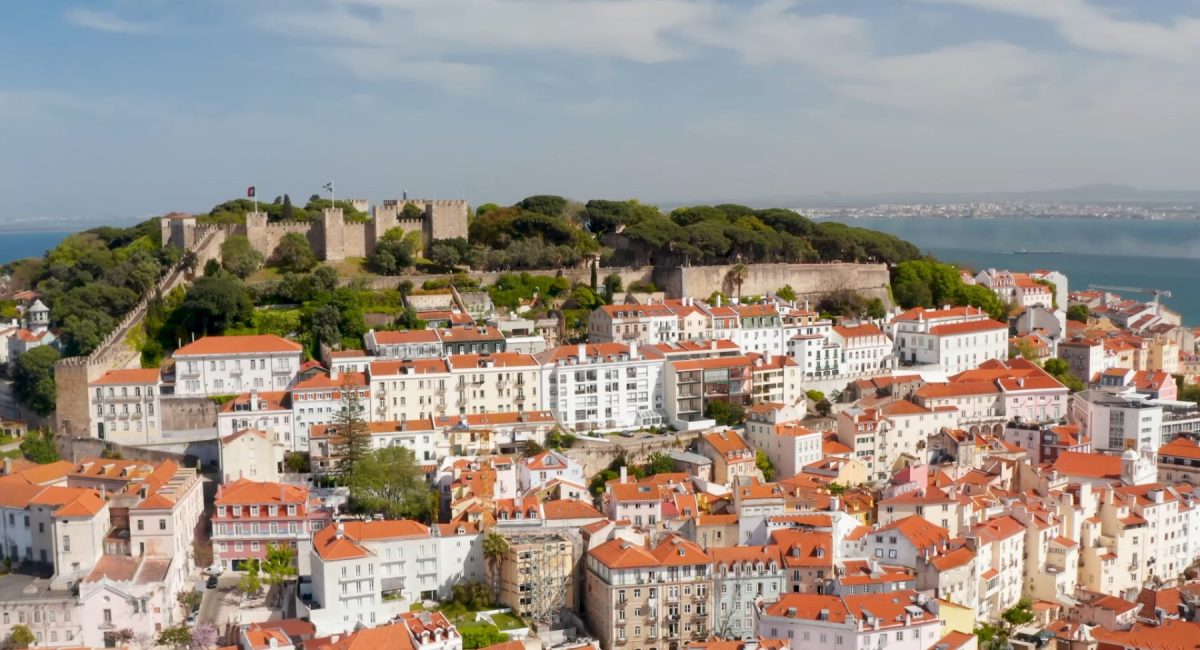
The proximity to Lisbon makes these wineries ideal for day trips. A short drive out of the city suddenly turns into rolling vineyards, small villages, and long coastal views.
Quinta do Gradil
Quinta do Gradil ranks among the oldest estates in the Lisbon wine region. Historical records trace vineyard activity here back several centuries, long before modern wine tourism developed.
The estate sits among gentle hills covered with vineyards and farmland. The atmosphere feels calm — a stretch of countryside that seems far removed from the busy streets of Lisbon, even though the city lies within easy reach.
The wines reflect the Atlantic climate. Crisp whites appear frequently during tastings, alongside balanced red blends that avoid excessive heaviness. For travelers wanting a relaxed vineyard visit without planning a long trip inland, Gradil works beautifully.
AdegaMãe
AdegaMãe introduces a more contemporary side of Portuguese wine production. The winery’s architecture feels modern and clean, with large windows overlooking rows of vines stretching across the landscape.
Inside, the tasting room emphasizes light and open space. Visitors can see the vineyards directly while sampling wines shaped by the cool Atlantic breeze.
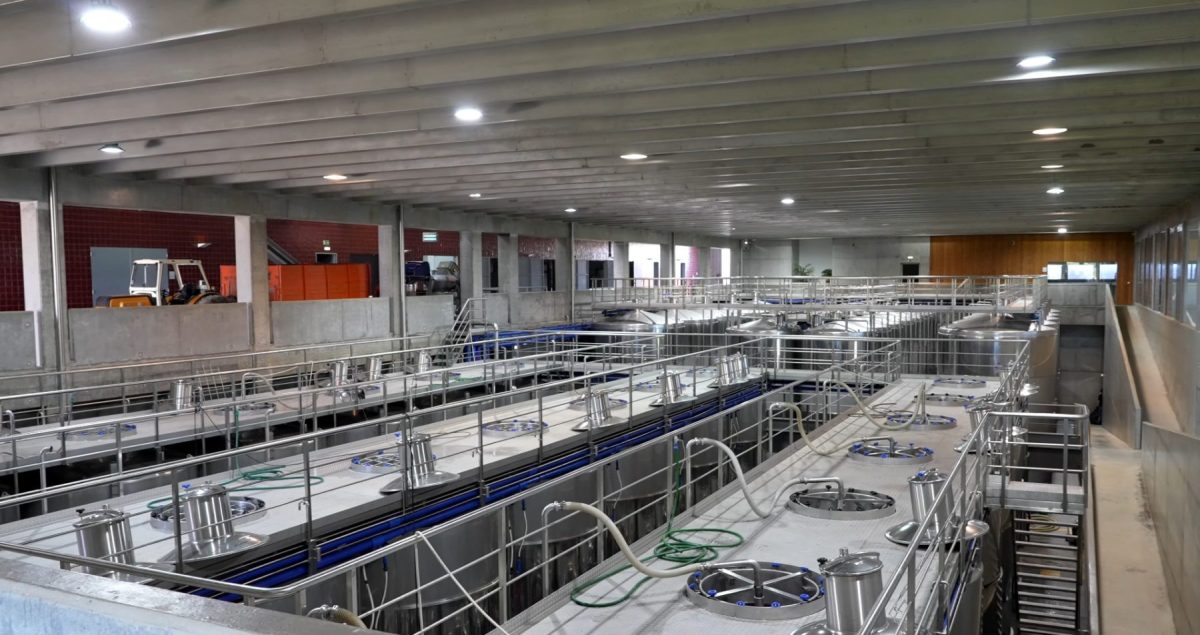
The style focuses on freshness and balance. Nothing overworked. Nothing trying too hard to impress.
Many travelers combine a winery visit with a drive to the nearby coastal town of Ericeira, where seafood restaurants line the cliffs above the ocean.
Casal de Santa Maria
Casal de Santa Maria occupies one of the most unusual vineyard locations in Portugal. The estate sits close to Cabo da Roca — the westernmost point of mainland Europe.
That location creates a wild microclimate shaped by Atlantic winds, cool temperatures, and dramatic coastal weather patterns. Vineyards here face conditions very different from inland Portuguese regions. The wines often show vibrant acidity and aromatic intensity, reflecting the influence of the ocean air surrounding the estate.
Visitors usually come for two reasons. The wines, obviously. But also the scenery. Cliffs, crashing waves, endless Atlantic horizon — a tasting here sometimes feels closer to standing at the edge of the continent than visiting a traditional winery.
Hidden Gem Wineries in Portugal
A handful of Portuguese wineries show up everywhere — wine lists, travel guides, Instagram feeds full of perfect vineyard sunsets. But step slightly off that well-worn path and things change.
Smaller estates start appearing. Family vineyards. Producers making a few thousand bottles instead of hundreds of thousands. These places rarely chase global fame. They work quietly, sometimes stubbornly, keeping old vineyard parcels alive, experimenting with native grape varieties, or simply doing things the way their grandparents did.
Tastings often feel slower too. Fewer buses. More conversation. You might talk to the winemaker for half an hour and realize nobody is rushing you out the door.
For wine travelers willing to wander a little — maybe take the smaller road, maybe follow a recommendation from a local restaurant owner — these under-the-radar estates often become the most memorable stops of a trip across Portugal’s wine regions.
Quinta do Perdigão
Tucked into the rolling hills of the Dão region, Quinta do Perdigão feels almost hidden in plain sight. Vineyards stretch out between pockets of forest and granite soil slopes that define the character of Dão wines.
The estate focuses heavily on traditional Portuguese grape varieties. Production stays relatively small, which means the wines tend to reflect the vineyard rather than a large commercial style. Elegant reds, balanced acidity, that subtle earthy tone Dão lovers recognize immediately.
Tastings here lean informal. No big crowds. Sometimes you sit outside overlooking the vines, sometimes inside the cellar depending on the weather. The pace is relaxed — a conversation about soil, maybe a story about old vineyard parcels — the sort of experience that reminds you wine culture in Portugal still has deep local roots.
Manzwine
Just outside the Lisbon region sits Manzwine, a small project that has earned quiet respect among wine enthusiasts for one reason: stubborn dedication to rare Portuguese grapes.
Their most famous revival involves the Jampal grape — a nearly forgotten variety that once existed in the area but slowly disappeared from vineyards. Manzwine brought it back, replanting and producing wines that taste unlike anything else in the country.
The winery operates on a modest scale. Vineyard work receives obsessive attention, and the winemaking approach leans minimal — letting the fruit speak instead of shaping it too aggressively in the cellar.
Tastings feel intimate. Sometimes surprisingly so. You’re not just sampling wines; you’re hearing the story of a grape that almost vanished. For travelers based in Lisbon, this place makes an easy day trip and a pretty fascinating one.
Wine Estates with Hotels in Portugal
Staying inside a vineyard changes the rhythm of wine travel. Instead of rushing from one estate to the next, you wake up surrounded by vines. Morning fog over the valley. Maybe breakfast on a terrace overlooking the rows of grapes.
Across Portugal, several wineries have turned historic estates into boutique hotels. Some occupy centuries-old manor houses. Others lean modern, minimalist, tucked into the vineyard landscape itself. The idea stays the same — guests sleep where the wine is made.
These properties often include guided tastings, vineyard walks, and dinners built around regional food and wine pairings. Slow evenings. Long conversations over bottles opened directly from the cellar.
Quinta da Pacheca Wine Hotel
Few wine hotels in Portugal are as recognizable as Quinta da Pacheca in the Douro Valley. The estate introduced a concept that immediately caught travelers’ attention — oversized wine barrel suites set directly among the vineyards.
Yes, they actually look like giant barrels. And sleeping inside one feels slightly surreal at first.
Beyond the novelty, the property offers a full vineyard experience. Tastings take place inside historic cellars, vineyard tours explore the steep Douro terraces, and during harvest season guests sometimes join traditional grape stomping. It’s playful, memorable, and very Douro in spirit.
Quinta Nova Winery House
Quinta Nova Winery House sits high above the Douro River, and the view alone could justify the stay. Terraced vineyards stretch across the valley slopes, the river winding quietly below.
The hotel occupies a restored manor house connected directly to the working winery. Guests can wander through vineyards, join guided tastings, or simply sit on the terrace with a glass of red and watch the light shift across the valley walls.
The restaurant leans heavily into regional cuisine — dishes designed to pair with the estate’s wines. Rich Douro reds, mineral whites, maybe something from older vintages pulled from the cellar. It feels intimate. Not flashy. Just quietly beautiful.
Quinta do Vallado Wine Hotel
Quinta do Vallado blends contemporary design with the deep history of one of the Douro Valley’s oldest wine estates. The hotel sits beside the winery itself, surrounded by vineyard terraces and views stretching toward the river.
Rooms balance modern comfort with traditional materials — stone walls, wood details, wide windows framing the valley landscape. It’s easy to slip into a slower pace here.
Guests can explore the estate through tastings, relax by the pool overlooking the vineyards, or take short drives to nearby towns like Peso da Régua and Pinhão. Small villages where wine culture still shapes daily life. For travelers who want both comfort and authenticity, Vallado often hits that sweet spot.
Six Senses Douro Valley
Six Senses Douro Valley stands slightly apart from the other vineyard stays. It isn’t a winery itself, but the hotel has built one of the most elaborate wine programs in the region.
The property occupies a restored manor house overlooking the Douro River, surrounded by forest and vineyards. Inside, the atmosphere leans luxurious — spa facilities, elegant dining rooms, a wine library stocked with bottles from across Portugal.
Guests can join guided tastings, attend wine workshops, or arrange visits to nearby vineyards throughout the valley. The hotel’s cellar holds an impressive range of regional producers, making it a good place to explore the broader Douro wine landscape without leaving the estate for every tasting.
For travelers seeking a high-end introduction to Portugal’s most famous wine valley, this place delivers something close to full immersion.
Portugal Wine Routes: Planning a Winery Trip
Portugal looks small on the map. You glance at it once and think — easy country, short drives, maybe two regions in a weekend. Then you actually start moving around and realize the geography plays tricks on you. Mountains appear. Valleys twist roads into slow ribbons. Vineyards sit on hillsides that seem much closer than they really are.
So planning a winery trip here is less about stacking as many estates as possible and more about pacing. Distances matter. Lunch matters. Sunsets matter more than people expect. Wine tastings in Portugal are not rushed counters where someone pours a splash and sends you off to the next stop. Many wineries treat visits like small rituals — a walk through the vines, a quiet cellar, a table overlooking the valley.
And honestly… trying to squeeze four wineries into one day sounds romantic until the third tasting glass appears and suddenly everything blurs into oak barrels and half-remembered grape names.
Most travelers eventually figure out the rhythm. Two wineries in a day works well. Maybe three if the distances are short and the first tasting starts early. Anything beyond that and the experience starts feeling like a checklist instead of a trip.
Portugal rewards the slower approach anyway. Vineyards sit beside medieval towns, cliffside viewpoints, dusty roads that lead nowhere in particular. Sometimes the best part of a wine route isn’t the tasting itself but the strange little detours between them.
Douro Valley Two-Day Wine Route
The Douro Valley sits at the center of Portugal’s wine identity. Terraced vineyards carved into steep slopes, the river twisting through the middle, tiny white villages scattered along the hills. Pictures barely capture how dramatic the place feels in person.
Most trips begin in Porto. The city works as a natural gateway to the valley. From there travelers either drive east or take the train that follows the river inland. The railway line is slow but beautiful — windows open, vineyards sliding past the glass.
Eventually the journey leads toward towns like Peso da Régua or Pinhão. These small river towns quietly anchor the region. Wineries spread out across the surrounding hills, some hidden deep in the valleys, others perched on ridges overlooking the Douro.
- Day 1: Start the morning at Quinta do Crasto or Quinta do Vallado. Both estates sit in spectacular positions above the river, and tastings often happen on terraces facing the vineyards. Lunch usually stretches longer than expected — local dishes, slow conversation, another glass poured casually. Afterward, follow the river road toward Pinhão. The viewpoints along this route are ridiculous. You stop once, then again, then again.
- Day 2: Begin with a visit to Quinta da Pacheca, an estate known for its historic buildings and vineyards that roll gently down toward the river. Walk through the vines if the weather allows. Later continue toward Pinhão for lunch somewhere near the waterfront. The afternoon might include Quinta do Noval or another estate nearby. By the end of the second day most visitors start realizing why the valley has such a myth around it.
Two days here feels balanced. Enough time to taste several estates, wander small villages, maybe sit quietly beside the river for a while without feeling the need to rush anywhere.
Lisbon Wine Day Trip
Lisbon hides a wine region almost in plain sight. Drive north from the city and within an hour vineyards start appearing between low hills and coastal plains. The Atlantic wind shapes this entire region — cooler temperatures, fresher wines, a completely different mood compared to the interior valleys.
Day trips from Lisbon work well because the distances stay manageable. You can leave the city in the morning, taste wine, eat lunch somewhere slow and seafood-heavy, and still return by evening if you want.
- Morning: Begin at Quinta do Gradil. The estate dates back centuries and sits surrounded by wide vineyard landscapes. Tastings often take place in elegant rooms overlooking the hills.
- Afternoon: Continue toward AdegaMãe. The winery feels modern — sharp architecture, clean tasting rooms, wines shaped by the Atlantic breeze. The contrast between this estate and older properties nearby is fascinating.
- Evening: Instead of rushing back to Lisbon, drive toward the coast. Ericeira is a good stop. Fishing boats, surf shops, salty air. Order grilled fish somewhere near the water and let the day drift into evening.
Wine trips around Lisbon often end this way — less structured than planned, more coastal wandering than strict tasting schedules.
Alentejo Wine Weekend
Alentejo feels wide open compared to northern Portugal. The roads stretch across plains dotted with cork trees and olive groves. Vineyards appear between rolling fields, sometimes miles apart. The light down here changes everything — soft gold evenings, long shadows across the countryside.
Many visitors base themselves in Évora. The town sits inside medieval walls and somehow manages to feel both historic and alive. Cafés spill into the squares, small restaurants hide inside old stone buildings, and vineyards begin just outside the city.
- Day 1: Visit Herdade do Esporão. The estate is one of the best known wineries in the region, and the restaurant alone is worth the trip. Lunch there tends to stretch into afternoon conversations. Later wander through Évora — Roman ruins, quiet streets, small wine bars tucked behind old doors.
- Day 2: Continue toward Herdade do Rocim or Adega Mayor. Both wineries sit within dramatic open landscapes where vineyards seem to run endlessly toward the horizon. Tastings feel relaxed here. No rush, no pressure, just wine and the slow rhythm of the countryside.
Alentejo doesn’t demand strict itineraries. You drive, stop where it looks interesting, maybe discover a tiny village or roadside café along the way. Wine becomes part of the landscape rather than the only reason to travel there.
How to Visit Wineries in Portugal
Wine tourism in Portugal has grown steadily over the past decade, but it still feels refreshingly informal compared to many famous wine regions. Estates remain family businesses in many cases. Some wineries sit inside farmhouses where people actually live. Others operate from historic buildings that have been producing wine for generations.
Because of that, visiting wineries sometimes requires a bit of planning. Nothing complicated — just small details that make the day smoother.
- Many wineries offer guided tastings explaining local grape varieties.
- Visitors taste wines directly where they were produced.
- Tasting rooms often overlook vineyards or historic landscapes.
- Some estates pair wines with regional cheeses, olive oil or bread.
- Reservations are recommended at many wineries.
- Driving between estates requires some planning.
- Rural wineries sometimes operate limited visiting hours.
- Harvest periods can be busy at well-known estates.
Do You Need Reservations?
Often, yes. Some wineries welcome spontaneous visitors, but many prefer reservations. It helps them organize staff, prepare tasting rooms and avoid overlapping groups. Smaller family estates especially appreciate a quick booking ahead of time.
Sending a simple message through the winery website usually works. Replies tend to arrive quickly, sometimes within a few hours.
Wine Tasting Costs
Tastings in Portugal remain fairly reasonable compared to other European wine destinations. A basic tasting might include three or four wines poured slowly across a table conversation. More detailed experiences sometimes include cellar tours, vineyard walks or small food pairings.
Prices vary from modest tasting fees to more elaborate guided experiences. Still, many visitors end up buying a bottle or two — partly because the wines are good, partly because carrying something home from the estate just feels right.
Driving or Guided Tours
A rental car gives the most flexibility when exploring wine regions. Vineyards often sit far from towns, tucked along winding rural roads where public transport simply doesn’t reach.
But guided tours exist too. Porto and Lisbon both offer organized wine trips where transportation, tastings and lunch are arranged in advance. Some travelers prefer this approach, especially if they want to relax and focus on the wines without worrying about the drive back.
When visiting multiple wineries in one day, space tastings at least two hours apart. It gives you time to actually enjoy the experience instead of racing between vineyards.
Most Beautiful Wineries in Portugal
Portugal’s wine regions have a habit of sneaking up on you visually. You drive out expecting vineyards — rows, slopes, maybe a stone house somewhere — and then suddenly the road bends and the whole valley opens. Terraces stacked like staircases. A river glinting far below. Old estates sitting in places that feel almost too perfectly positioned to be accidental.
Wine matters here, obviously. But the scenery… yeah, it grabs you just as fast. Sometimes faster. You walk onto a terrace with a glass in your hand and forget to taste the wine for a minute because the landscape is doing something ridiculous in front of you.
Architecture plays its part too. Portugal has this odd mix of centuries-old manor houses, minimalist wineries built by famous architects, and gardens that look like someone quietly obsessed over them for generations. Some estates feel grand. Others almost secretive. A few look like film locations.
The wineries below come up again and again when people talk about the most beautiful estates in Portugal. Different regions, different moods, but all of them leave an impression that sticks — sometimes longer than the wine itself.
High above the Douro River, terraces spill down the hillsides in narrow stone-lined layers. The view from the estate feels almost unreal — river bends, vineyard walls, sunlight bouncing across the valley. Tastings here often drift into long pauses because people keep looking up from their glass.
A historic estate sitting right in the middle of the Douro landscape — vineyards wrapping around a manor house that somehow manages to feel both old and quietly luxurious. There’s also a wine hotel here, which honestly makes leaving harder than it should be.
This place feels less like a winery and more like a strange botanical dream someone decided to attach vineyards to. Gardens everywhere. Small lakes. Stone houses covered in vines. Walking through the property feels slow and quiet — which, honestly, fits the wines perfectly.
Completely different mood here. Wide plains, big sky, and then this clean white winery appearing on the horizon like a geometric sculpture. Designed by architect Álvaro Siza Vieira — the whole building almost floats against the landscape.
Granite hills, old vineyards, and a winery that mixes ancient stone with modern lines in a way that shouldn’t work — but somehow does. The estate feels calm, almost contemplative. A place where design and landscape quietly argue with each other.
Best Time to Visit Wineries in Portugal
Wineries in Portugal stay open most of the year, but the atmosphere shifts with the seasons. Vineyards aren’t static places. They breathe, change color, go quiet, explode into green again.
Sometimes people expect one perfect moment to visit. Honestly… that idea falls apart pretty fast once you spend time in wine regions. Every season gives the landscape a different personality.
- Spring: Vineyards wake up again after winter. Bright green shoots start crawling across the rows, and the countryside suddenly feels alive. Good weather for walking between vines without melting under the sun.
- Summer: Long days, golden light, terraces glowing late into the evening. Inland regions like Alentejo can get brutally hot around midday though. Early tastings or late afternoon visits work better.
- Harvest Season: September and October bring real movement to the vineyards. Tractors moving. Workers cutting grapes. Cellars busy. It’s chaotic in a good way — wine in the middle of becoming wine.
- Winter: Bare vines, quieter estates, slower tastings. Less dramatic visually maybe, but conversations inside wineries tend to stretch longer when the tourist crowds disappear.
Some wineries run small harvest events where visitors can help pick grapes or try traditional grape stomping. It usually happens sometime between September and early October, though timing shifts depending on the region and the ripeness of the fruit.
Explore More Portugal Wine Guides
Frequently Asked Questions About Visiting Wineries in Portugal
People planning a wine trip through Portugal tend to run into the same handful of questions sooner or later. Reservations… tastings… how far the vineyards actually are from the cities. Wine travel always looks simple on a map. Then you start planning and realize the country has dozens of regions, hundreds of estates, and every winery seems to run things slightly differently.
The notes below cover the things visitors usually wonder about before their first winery visit in Portugal — from where to start to how many tastings make sense in a single day.
What is the most famous wine region in Portugal?
Most people will say the Douro Valley first. And honestly… they’re not wrong. The place is almost absurdly dramatic. Vineyards stacked in terraces above the Douro River, hills folding into each other for kilometers, tiny white villages clinging to the slopes.
Historically the region built its reputation on Port wine. Sweet fortified wines shipped downriver to Porto for centuries. But modern Douro wineries produce serious dry reds too — structured, dark, sometimes powerful enough to surprise people who still associate the area only with Port.
Grapes like Touriga Nacional and Touriga Franca dominate the blends. These varieties barely exist outside Portugal, which makes the wines feel very tied to the landscape. You taste them and there’s a kind of rugged personality there. Not polished in the international style. Something older.
And then there’s the scenery. Even travelers who care zero about wine usually end up impressed by the valley itself.
Do wineries in Portugal require reservations?
Quite a few do. Especially smaller estates.
Portugal still has many family-run wineries where tastings aren’t organized like a big visitor center operation. Sometimes the person guiding you through the cellar is literally the winemaker or someone from the family. Because of that, many wineries prefer knowing visitors are coming before they arrive.
Walk-ins occasionally work in larger estates. But if you’re planning specific wineries — particularly in places like the Douro Valley or Alentejo — sending a quick reservation request usually saves headaches.
Harvest season can get busy too. Vineyards feel alive during that time, tractors moving everywhere, grapes arriving at the cellar, tourists suddenly appearing out of nowhere. Booking ahead just makes things smoother for everyone involved.
How much do wine tastings cost in Portugal?
Prices vary, though Portugal tends to feel refreshingly reasonable compared with some famous wine regions elsewhere in Europe.
A simple tasting might include three or four wines from the estate. Sometimes it’s a relaxed sit-down tasting in a tasting room. Other times you’re standing in a cool stone cellar while someone pours directly from open bottles on a wooden barrel.
More elaborate experiences usually include vineyard walks, cellar tours, maybe food pairings. Bread, olive oil, cheese, sometimes a full lunch depending on the estate.
And honestly, some of the best tastings aren’t the expensive ones. I’ve had fantastic experiences in small rural wineries where the tasting cost less than lunch and the owner ended up opening extra bottles just because the conversation was good.
How many wineries should you visit in one day?
Two tends to be the sweet spot.
People sometimes plan three or four tastings in a single day, thinking it’ll maximize the experience. The reality usually turns messy. Wine stacks up quickly, travel between vineyards takes longer than expected, and suddenly everything feels rushed.
Two wineries gives breathing room. You can actually sit down, talk to the staff, walk around the vineyards if they offer it. Maybe stop somewhere for lunch in between — a long Portuguese lunch if possible. Bread, grilled fish, local wine again, obviously.
Wine travel works better when the day moves slowly.
Can you visit wineries without a car?
Yes, though logistics become part of the adventure.
In the Douro Valley for example, trains run from Porto along the river to towns like Peso da Régua and Pinhão. The railway line hugs the water for much of the journey and the views alone make it worth doing once.
From those towns some wineries are reachable by taxi, short walks, or arranged pickups. Others sit deep in the hills where having a car definitely helps.
Guided wine tours from Lisbon or Porto solve the transportation issue for many travelers. A van, a driver, several wineries planned for the day. Easy, predictable. Maybe less spontaneous, but convenient.
Exploring the Best Wineries in Portugal
Wine regions across Portugal feel wildly different from each other. The Douro Valley with its terraced mountains. Alentejo opening into wide sun-bleached plains dotted with cork trees. Vinho Verde in the north where vineyards grow in a green landscape that almost feels Atlantic.
Travel between these areas and the character of the wines shifts with the scenery. Reds become heavier in some regions, fresher in others. White wines range from crisp coastal styles to surprisingly textured bottles from inland vineyards.
What makes visiting wineries here interesting is that the country never fully standardized its wine culture. Portugal kept hundreds of local grape varieties alive long after other regions replaced them with global favorites. You run into names like Baga, Encruzado, Alicante Bouschet, Arinto… half the time people try to pronounce them and laugh halfway through.
That slightly chaotic diversity is part of the charm.
Some estates have centuries of history behind them — old stone quintas overlooking river valleys, dusty cellars full of aging barrels. Others belong to a younger generation experimenting with native grapes, natural fermentations, unusual blends.
And visitors get access to both worlds. One morning you might be tasting Port in a historic cellar carved into a hillside. Later that afternoon you’re sitting on a modern terrace overlooking vineyards, drinking a fresh white wine that barely existed a decade ago.
Portugal’s wine tourism scene keeps growing, yet it still feels personal in many places. Not overly polished. Not over-produced. Conversations drift, extra wines appear on the table, someone’s uncle suddenly joins the tasting to tell a story about the vineyard.
For travelers who enjoy wine, landscape, and a bit of unpredictability… exploring Portuguese wineries can easily turn into the highlight of the entire trip.