
Portugal is one of those wine countries people underestimate at first. Travelers land here thinking about beaches, old tiled cities, grilled sardines somewhere near the ocean. Wine sort of sneaks up on them later. A glass at dinner turns into a winery visit the next day… and suddenly the trip becomes something else entirely.
Because Portugal doesn’t behave like the usual wine map. France built its reputation around famous grapes. Same with Italy, Spain, California. Portugal took a different road. Hundreds of local varieties survived here, grapes that never really traveled anywhere else. Some are impossible to pronounce, some even locals debate over — but they belong to the landscape in a way international varieties rarely do.
And the landscapes shift constantly. Northern valleys feel green and almost Alpine. Inland river terraces look like someone carved vineyards straight into stone. Then you head south and everything opens into wide plains, dusty roads, cork trees scattered between fields. Same country. Completely different wine personality.
For travelers curious about wine, that variety changes everything. Within a single trip you might taste structured reds overlooking the Douro River, delicate mountain wines from Dão, sharp Atlantic whites from Vinho Verde and warm southern blends out of Alentejo. The wineries feel different too. Family farms in one place, bold architectural estates somewhere else. Hospitality changes. Food changes. The rhythm of the countryside changes.
This guide looks at the wine regions that shape Portugal’s reputation today. Some are famous already. Others feel quieter — maybe better that way, honestly — but they reveal a lot about how Portuguese wine culture actually works.
Major Wine Regions of Portugal
Portugal doesn’t look large on a map. You could drive north to south in a long day if you pushed it. But wine geography here is strangely complicated. Mountains slice through the center of the country. Atlantic winds cool some areas while others bake in inland heat. Rivers cut valleys that trap warmth and reflect sunlight back onto the vines.
So vineyards ended up evolving almost in isolation. One valley grows grapes that barely exist fifty kilometers away. Another region builds its identity around a single grape locals stubbornly refused to abandon. That stubbornness actually saved a lot of traditions.
The result… a patchwork of wine regions that feel completely different even though they sit inside one relatively small country. Some areas lean toward powerful red wines. Others make bright whites that practically scream for seafood. A few regions built global reputations around styles that simply don’t exist anywhere else.
Travelers exploring Portuguese wine usually end up crossing several of these regions during a trip. Not because someone told them to — curiosity tends to take over.
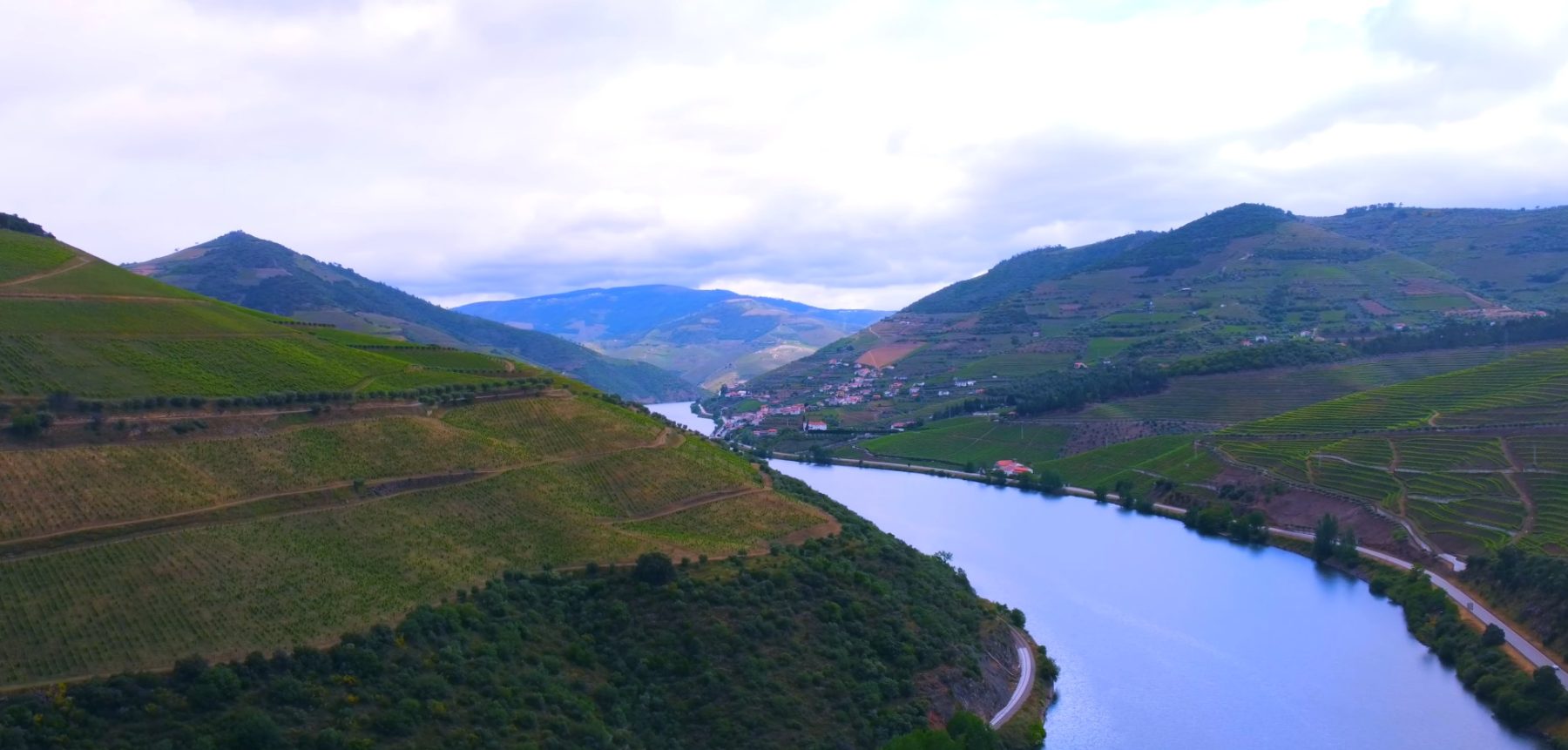
Probably the most dramatic vineyard landscape in Europe. Terraced vines climb steep hills above the Douro River, producing powerful red wines and the legendary Port.
A vast agricultural region known for warm climate wines, large estates and some of the most ambitious modern wineries in Portugal.
Often compared to Burgundy by people who like those comparisons. Mountain vineyards produce elegant wines with freshness and structure.
A green Atlantic region famous for lively white wines with citrus character and bright acidity. Summer in a bottle, basically.
A region with attitude. Bold reds built around the Baga grape and an increasing reputation for excellent sparkling wines.
Cool Atlantic breezes shape vineyards surrounding Portugal’s capital, producing aromatic whites and balanced reds surprisingly close to the city.
Why Portugal Is One of Europe’s Most Unique Wine Countries
Wine culture in Portugal grew in its own strange direction. Instead of replacing local grapes with fashionable international varieties, many regions simply kept planting what already worked. Farmers mixed dozens of grapes inside a single vineyard. Some vineyards still look like botanical puzzles.
That approach produced wines that don’t taste like anything else. Touriga Nacional, Baga, Arinto, Encruzado — these grapes developed personalities tied to Portuguese soils. Even Tempranillo, which appears across the Iberian Peninsula, behaves differently here under the name Tinta Roriz.
Geography plays a huge role too. The Atlantic cools the western coast with steady wind and fog. Inland valleys trap heat. Mountains like Serra da Estrela shield certain vineyards from ocean influence entirely. Small climate pockets appear everywhere. A winery can sit twenty minutes from another yet produce a completely different style.
Sometimes you taste two wines made from the same grape and they feel unrelated. One structured and dark, another delicate and floral. Soil shifts. Elevation changes. Portuguese wine keeps reminding you how much environment matters.
Portugal has more indigenous grape varieties than almost any other wine country. Many rarely appear outside the country, which gives Portuguese wines their distinctive personality and makes wine travel here unusually interesting for enthusiasts.
| Region | Location | Wine Style | Famous Grapes | Landscape |
|---|---|---|---|---|
| Douro Valley | Northern Portugal | Powerful reds, Port wine | Touriga Nacional | Terraced river valley |
| Alentejo | Southern Portugal | Rich red blends | Alicante Bouschet | Rolling plains |
| Dão | Central Portugal | Elegant structured reds | Touriga Nacional | Mountain vineyards |
| Vinho Verde | Northwest Portugal | Fresh white wines | Alvarinho | Green Atlantic hills |
| Bairrada | Central Coast | Bold reds and sparkling | Baga | Coastal plains |
| Lisboa | Around Lisbon | Balanced coastal wines | Arinto | Atlantic influenced |
Douro Valley
The Douro is the region people picture when they hear “Portugal wine.” Not because it’s the only one worth seeing — honestly, Portugal has a ridiculous number of interesting wine places — but the Douro just sticks in your head. A river slicing through mountains. Vineyards climbing steep slopes in terraces that look almost engineered by some stubborn medieval architect who refused to accept gravity as a rule.
In summer the hills feel bleached by sunlight. Dry, dusty, buzzing with insects. Then harvest arrives and the whole place shifts mood. Tractors rattling along narrow vineyard roads, plastic crates stacked everywhere, hands purple from grapes. The smell of fermenting skins drifts out of old lagares and hangs in the warm air. It’s messy and loud and very real.

People love repeating the historical fact that Douro is the oldest officially demarcated wine region in the world. It sounds like something lifted from a brochure, I know. But when you stand on one of those terraces and actually look around… it starts to make sense.
This valley has been organized, regulated, argued over, traded across oceans, and defended by generations of farmers who refused to give up on impossible land. The terraces weren’t carved out for Instagram photos. They exist because vines wouldn’t grow any other way here.
To understand the Douro you sort of have to hold two ideas at once. The first is Port — the fortified wine that made this valley globally famous. Barrels floated downriver in the past, stored in cool cellars across the river in Vila Nova de Gaia, then shipped out to the rest of the world. British merchants built fortunes on it. Whole families here still talk about Port as if it’s a relative.
The second Douro story is quieter but fascinating: modern dry wines. Deep red blends built from the same native grapes used for Port — Touriga Nacional, Touriga Franca, Tinta Roriz and others — but fermented completely dry. Structured, concentrated, sometimes shockingly elegant.
For decades these wines quietly built a reputation among people who pay attention to wine. Then suddenly everyone seemed to notice.
The land itself is rough. Summers run hot. Rain can disappear for months. Most vineyards grow on schist soils — layered rock that fractures into thin plates. It looks dull until you realize what it does for vines.
The stone traps heat during the day, releases it slowly at night, and forces vine roots to drill deep into cracks searching for water. That struggle shapes the grapes. Douro wines often taste dense and intense, like the landscape itself ended up inside the bottle.
What Douro Wines Taste Like
If you’re new to Portuguese wine, Douro is an easy entry point. The wines are expressive. Bold. Hard to ignore.
Many reds lean into dark fruit — blackberry, black cherry, plum — layered with spice, sometimes cocoa or crushed rock. There’s often this slightly wild herbal edge too, not polished, more like the smell of sun-heated shrubs along a hillside trail. I always like that part.
The best examples don’t feel heavy even though they’re powerful. Structure holds everything together. Firm tannins, real shape, a sense the wine could age if you left it alone long enough. Which most people don’t.
Douro whites exist as well and honestly they deserve more attention than they get. Citrus, peach, sometimes stone fruit, with a clean mineral line running underneath. On a hot afternoon in the valley a chilled white Douro wine can feel like a small miracle.
- The scenery is ridiculous — even people who don’t care about wine end up staring at the landscape.
- Many wineries welcome visitors with tastings, tours, and vineyard hotels.
- Port wine culture adds layers of history, cellars, barrels, and centuries of trade stories.
- Nearby bases like Porto or small river towns make exploring fairly easy.
- Popular estates get busy during peak travel periods.
- Distances on the map look small but winding roads slow everything down.
- Summer heat inland can feel brutal by midday.
- Walk-in tastings aren’t always guaranteed — reservations often help.
Subregions to know
The Douro divides into three zones: Baixo Corgo, Cima Corgo, and Douro Superior. Even if you forget the names five minutes later, the landscape shift becomes obvious as you move east. Vineyards thin out. Heat rises. The valley grows more dramatic.
How tastings usually work
Most wineries offer tasting flights of two to five wines. Sometimes a mix of Ports and dry reds, sometimes focused on one style. Snacks appear frequently — olive oil, bread, almonds, local cheeses. The better visits start outside in the vineyards rather than the cellar.
Who the Douro suits best
First-time Portugal travelers. Couples chasing that vineyard postcard scenery. Photographers who suddenly stop the car every ten minutes. If someone only has time for one Portuguese wine region, the Douro is the obvious bet.
Slow down. One winery, one scenic viewpoint, one long lunch can easily fill a day. Trying to hit five tastings just turns the valley into a checklist.
Alentejo
Alentejo feels like the Douro’s complete opposite.
Where Douro is steep and dramatic, Alentejo opens up into wide landscapes. Long quiet roads cutting through fields. Olive groves stretching toward the horizon. Cork oak forests scattered across dusty hills. Whitewashed villages sitting still in the heat like they’ve decided not to move until sunset.
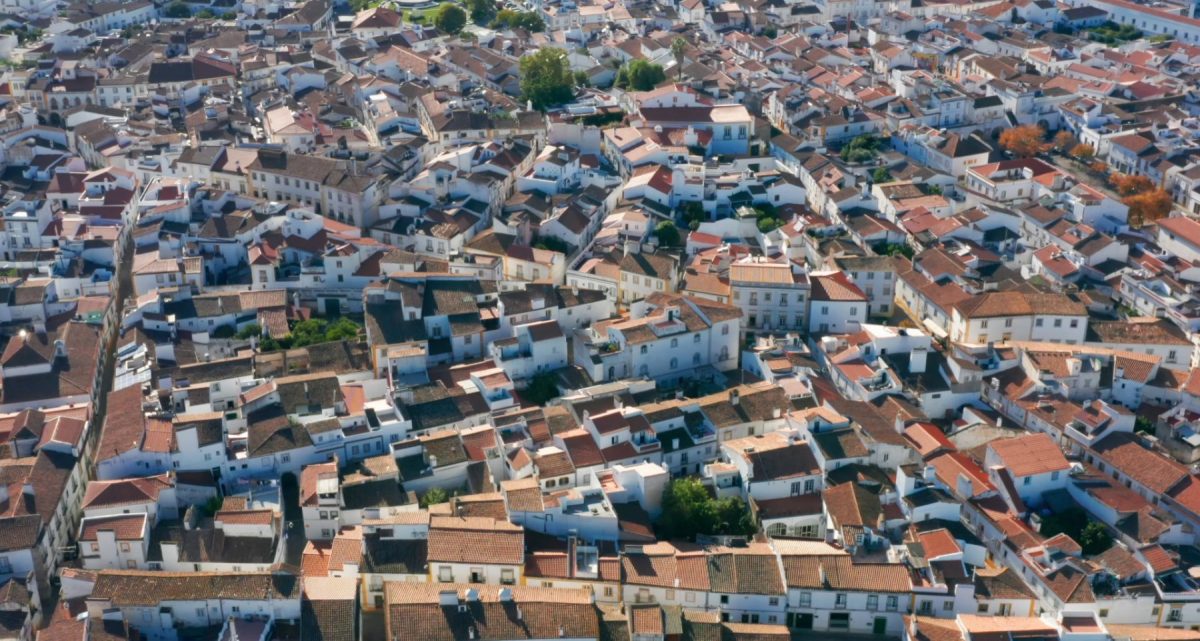
The wine style often mirrors that atmosphere. Generous, warm, relaxed. Nothing tense about it.
This is one of the country’s biggest wine-producing regions and it shows. Large estates sit beside family wineries. Modern cellars look like architectural projects dropped into farmland. Wine hotels appear in places where you half expect a shepherd instead.
And honestly, the region leans into hospitality. Good food. Long lunches. The quiet understanding that nobody is in a hurry.
What Alentejo Wines Taste Like
Alentejo reds tend to be approachable right away. Ripe berry fruit. Plum. Sometimes a dark floral note drifting in the background. Tannins usually feel softer than in stricter regions like Bairrada.
The overall effect is smoothness — wines that feel welcoming rather than demanding attention.
White wines here can surprise people. Grapes like Antão Vaz produce bright citrus and stone-fruit flavors, and when blended with Arinto the wines pick up extra freshness. On a hot afternoon, a chilled Alentejo white with bread, olive oil, and cheese… that combination fixes a lot of problems.
- Many wineries are designed for visitors with tasting rooms, restaurants, and tours.
- Food culture is serious — bread, olive oil, pork dishes, stews, local cheeses.
- The region feels spacious and calm.
- Great for couples or small groups who want comfort rather than complicated logistics.
- Summer heat can be intense inland.
- Without a car, moving between wineries becomes awkward.
- Distances between towns can surprise visitors.
- Some big estates feel polished rather than rustic.
The grape that defines the region
Alicante Bouschet plays a big role here. Unlike most grapes it has red flesh as well as dark skins, which means deeply colored wines with strong body. In the heat of Alentejo it thrives.
Food is half the experience
Winery visits in Alentejo often turn into long meals. Tastings slide naturally into lunch, and lunch quietly stretches for hours. Nobody seems alarmed when another bottle appears.
Where to base yourself
Évora works well as a starting point. Historic streets, walkable center, good restaurants. Smaller towns like Reguengos de Monsaraz feel even closer to the vineyards if you prefer quiet evenings.
In midsummer the temperature can climb well above 40°C. Plan winery visits early or late in the day. Midday vineyard hopping becomes survival training.
Dão Wine Region
Dão is the place people stumble into after they’ve already started falling for Portuguese wine. It rarely gets the same loud attention as Douro or Alentejo. And honestly that’s part of the appeal.
The vineyards sit inland in central Portugal surrounded by mountains. Those ranges shield the area from harsh Atlantic weather and create a cooler growing environment. Grapes ripen slowly here. Wines keep their acidity and structure.
If Douro reds feel bold and sun-driven, Dão wines often feel more composed. Balanced. A little restrained. Like someone speaking quietly in a room where everyone else is shouting.
What Dão Wines Taste Like
People often describe Dão wines as elegant. That word gets overused in wine writing, but here it actually means something.
Aromatics rise easily from the glass — floral tones, red berries, sometimes darker fruit underneath. Acidity stays lively. Tannins feel fine rather than rough. The wines carry structure without shouting about it.
Touriga Nacional behaves differently here compared with the Douro. Less muscular, more aromatic. Sometimes almost silky if the wine has a few years of bottle age. Those are the bottles that surprise people.
- Refined wines that feel distinct from the bolder southern styles.
- Smaller wineries with personal tastings.
- Cooler climate wines that pair beautifully with food.
- A sense of discovery — it still feels under the radar.
- Less tourism infrastructure than Douro or Alentejo.
- Some wineries prefer advance bookings.
- If you prefer very ripe wines, Dão may feel subtle at first.
- Public transport coverage is limited.
Why the mountains matter
The surrounding mountain ranges protect the vineyards and slow the growing season. That slower rhythm usually translates into freshness and balance in the finished wines.
What tastings feel like
Visits here often feel intimate. Small rooms, a winemaker who actually has time to talk, wines poured slowly while stories drift between vineyards and family history.
Who the region suits
People who already like wine. Travelers who prefer quiet landscapes. Anyone tired of crowded tasting rooms and looking for something calmer.
Pairing Dão with Douro makes the contrast obvious — power versus finesse. Add Lisbon or the Atlantic coast and the country’s wine diversity suddenly becomes clear.
Vinho Verde
The name confuses people the first time they hear it. “Green wine.” Sounds like a color, or maybe some strange experimental style someone dreamed up. It isn’t. Vinho Verde has nothing to do with green grapes at all. The name points to youth — wines meant to be drunk young, lively, bright, still buzzing with freshness.
And honestly the region feels young too. Not historically — vineyards have been here forever, generations deep. But the landscape itself carries that feeling. Everything grows. Hills stay intensely green most of the year, rain drifts in from the Atlantic, mist sometimes hangs over the valleys in the morning. It feels alive in a way some wine regions simply don’t.
Put it next to the Douro and the contrast is wild. The Douro is dramatic, rugged, all stone terraces and sun. Alentejo feels hot and open. Vinho Verde? Forests, farms, rivers, little villages tucked into rolling hills. Vineyards everywhere, but they share space with orchards, gardens, small plots of land families have been working forever.
What Vinho Verde Wines Taste Like
For most people the first encounter is simple — a light white wine, crisp, citrusy, maybe with that tiny natural sparkle that catches you off guard. Cold glass on a warm afternoon. Easy drinking. Restaurants pour it everywhere along the Portuguese coast.
But the region has changed quietly over the last couple decades. Some producers started pushing further. Lower yields, better vineyard work, cleaner fermentation. Suddenly Vinho Verde wasn’t just casual summer wine anymore. Certain bottles — especially those made from Alvarinho — show structure, minerality, actual depth.
Loureiro wines drift toward floral notes. Orange blossom, lime peel, that kind of delicate aroma that floats out of the glass. Alvarinho feels richer — peach, citrus, stone fruit, sometimes a salty mineral edge that reminds people of Albariño across the border in Spain. Arinto shows up like electricity. Bright acidity, razor sharp, the kind of freshness that wakes food up.
And food really matters here. Seafood especially. Grilled sardines, oysters, clams, prawns dripping with garlic and olive oil. The acidity slices straight through richness. Honestly it’s one of those pairings that just makes sense immediately.
- Green landscapes completely different from southern Portugal.
- Wines feel light, refreshing, easy to explore.
- Family wineries often welcome visitors casually.
- Close enough to Porto for simple day trips.
- Entry level bottles can feel extremely simple.
- The region is large and wineries spread across valleys.
- Some producers focus more on farming than tourism.
- Weather shifts quickly outside summer.
Subregions worth exploring
Several subzones shape the identity of Vinho Verde. Monção e Melgaço is famous for Alvarinho — structured wines, deeper flavor, serious aging potential. The Lima Valley leans toward Loureiro, aromatic wines that smell almost like spring flowers and citrus peel.
Wine tourism atmosphere
Visits here rarely feel commercial. Smaller tasting rooms, quiet roads between vineyards, family estates where someone might simply pour a glass and start talking about the vines outside. Slower rhythm. Rural Portugal still feels very present.
Who the region suits best
Travelers who like lighter wines and cooler climates tend to love it. People exploring Porto often drift north for a day or two — vineyards, rivers, long lunches with seafood and chilled white wine.
Bairrada
Bairrada sits along Portugal’s central coast between Porto and Lisbon. It’s never been the easiest wine region to understand. A little stubborn maybe. One grape dominates here — Baga — and Baga doesn’t behave politely.
High acidity. Firm tannins. Wines that can feel almost aggressive when young. For years people complained about them. Too rough, too sharp, too difficult to drink early. Then winemakers started adjusting things — gentler extraction, careful aging, vineyard selection. Suddenly the same grape produced wines with depth and elegance.
Funny how that works. The grape never changed. The approach did.
What Bairrada Wines Taste Like
Young Baga wines hit with bright acidity and dark berry fruit. Blackberry, cherry, sometimes a dry earthy tone underneath. Give them time and things shift — dried fruit, tobacco, spice, floral hints that appear slowly with aging. Patience really matters here.
Then there’s another side of the region people often overlook: sparkling wine. Bairrada quietly produces some of Portugal’s best traditional method sparkling wines. Crisp, balanced, lively acidity. Food friendly. Way more affordable than many other European sparkling regions.
- Unique grape variety rarely seen elsewhere.
- Serious wines with aging potential.
- Strong sparkling wine tradition.
- Less crowded than famous regions.
- Baga can feel intense for casual drinkers.
- Tourism infrastructure smaller than Douro.
- Some wineries require appointments.
- Public transport options limited.
Baga grape personality
Baga produces wines with firm tannins and vibrant acidity. Those structural elements make the wines excellent candidates for long aging in cellar conditions.
Sparkling wine production
Cooler Atlantic influence allows producers to craft traditional method sparkling wines similar to Champagne production techniques.
Regional food pairing
Bairrada cuisine revolves around “leitão à Bairrada,” roasted suckling pig with crispy skin. Rich meat, acidic Baga wine. The pairing is legendary across Portugal.
Lisbon Wine Region
The Lisbon wine region stretches along Portugal’s Atlantic coastline around the capital. One of the easiest wine areas in the country to reach. From central Lisbon you can drive into vineyard landscapes in less than an hour.
Strangely many visitors never realize these vineyards exist. The city absorbs most of the attention — museums, viewpoints, historic streets. Meanwhile vineyards sit quietly outside the urban edge, scattered through coastal hills and valleys shaped by ocean winds.
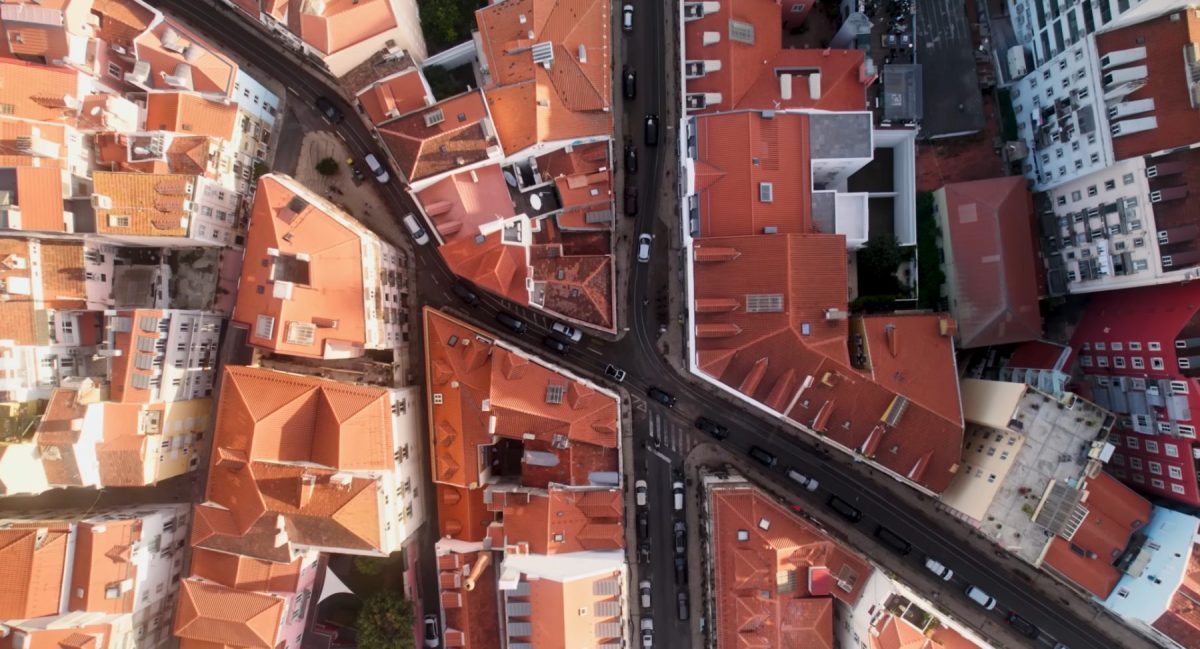
Atlantic influence defines everything here. Temperatures stay cooler than inland regions, and that preserves acidity in the grapes. Freshness shows up in the glass almost immediately.
Wine Styles of the Lisbon Region
White wines often lean bright and mineral. Citrus notes, crisp acidity, sometimes a saline edge from the ocean climate. Arinto performs beautifully here — sharp, refreshing wines that work perfectly with seafood.
Red wines feel lighter compared with hot inland regions. Balanced structure, moderate alcohol, plenty of freshness. They behave well at the table, which honestly explains a lot about why locals drink them so casually with meals.
Millions of travelers visit Lisbon every year. Very few explore the vineyards surrounding the city. For wine lovers this creates a rare situation — wineries relatively close to a major capital yet still quiet and uncrowded.
When to Visit Portugal for Wine Tourism
Portugal’s wine regions stay accessible through most of the year, though the feeling shifts with the seasons. Vineyards move through natural cycles, and those cycles shape the travel experience.
- Spring wakes everything up. Mild temperatures, vineyards turning bright green again, tasting rooms reopening after the slower winter months. The countryside feels relaxed.
- Summer stretches long and warm. Wine festivals appear, outdoor tastings happen late into the evening. Coastal regions remain comfortable, inland areas like Alentejo can feel brutally hot by afternoon.
- Harvest season — September into October — carries a different energy. Vineyards busy, grapes arriving at wineries, fermentation starting. It’s chaotic and fascinating at the same time.
- Winter feels quieter. Cellar tastings, local restaurants, fewer travelers around. Some smaller wineries reduce visiting hours, though the atmosphere becomes more intimate.
Late spring and early autumn usually deliver the best balance — comfortable weather, active vineyards, and most wineries open to visitors across Portugal’s wine regions.
Explore More Portugal Wine Guides
Sources and Fact-Checking Notes
This guide was fact-checked against official Portuguese wine-region bodies, regional wine institutions, and protected wine landscape references. Wine styles, grape references, regional identities, and historical claims were checked against the sources below before publication.
- Wines of Portugal — Portuguese Grape Varieties
Used for Portugal’s indigenous grape-variety context, including the widely cited figure of more than 250 native grape varieties.
- UNESCO — Alto Douro Wine Region
Used for Douro Valley heritage context, including the Alto Douro’s UNESCO status, long winemaking history, and Port wine regulation since 1756.
- IVDP — Characteristics of the Douro Demarcated Region
Used for official Douro regional context, vineyard geography, and demarcated-region background.
- CVRVV — Vinhos Verdes Official Region
Used for Vinho Verde regional background, wine profiles, subregions, grapes, and official denomination context.
- CVR Dão — Official Dão Wine Region
Used for Dão regional authority context, including the region’s association with Touriga Nacional, Encruzado, wine tourism, and certification.
- Vinhos do Alentejo — Official Alentejo Wine Region
Used for Alentejo regional wine tourism context, producers, wine-route information, and official regional positioning.
Last editorial review: April 2026. Prices, tasting availability, winery opening hours, and wine-route access can change seasonally, so travelers should confirm details directly with wineries or regional wine-tourism offices before planning a visit.